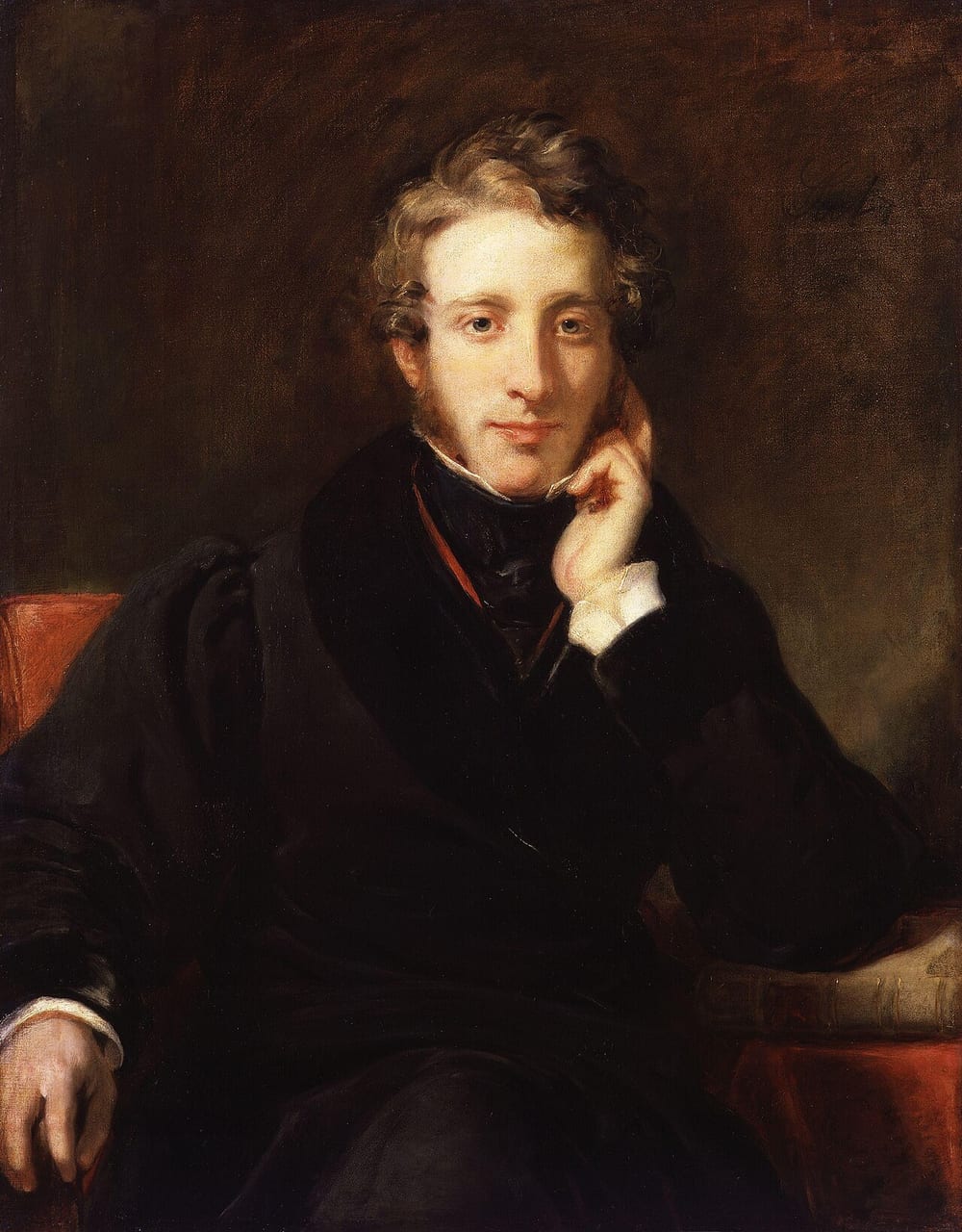
The names of the streets that surround where I live in Devonport, in Auckland, reflect the area's Victorian heritage. Running through the centre is Victoria Road, which turns, predictably, into Albert Road.
A village of villas
A popular place to live, and an equally popular tourist destination, Devonport thinks of itself, and is promoted, as a 'village' made up mostly of pretty nineteenth and early twentieth-century 'villas', a place that, with the help of some ferocious battles by local people, has retained its early origins and heritage, both European and Maori.
I live on Mozeley Avenue, named for the early twentieth-century developer who built it. Nearby is Patuone Street; Patuone was an important Maori leader involved in the first contact between Maori and the British. Just beyond that is Ewen Alison Avenue. Alison was a successful entrepreneur and Mayor of Devonport at the turn of the nineteenth and twentieth centuries. So, as often happens, many of the street names reflect local dignitaries.
Abbotsford, Cowper, Bulwer, Lytton
But heading the other way from my house is a group of streets that clearly reflect the Victorian British literary past of the early settlers. Abbotsford Terrace is easily recognisable as homage to Sir Walter Scott. Cowper Street, I would like to think, honours one of the great English poets, William Cowper. Writing in the eighteenth century, he was a forerunner of the romantic poets of the Victorian period and much admired by his now better-known successors Samuel Taylor Coleridge and William Wordsworth. He continued to have a huge following through the nineteenth century, so while it may be a mysterious name for the current residents of Devonport, a true footnote, it is a sign of how the early colonists tried to hang on to their past.
Perhaps even more mysterious are the two streets on either side of Cowper Street, Bulwer and Lytton. To understand their significance you have to connect them, Bulwer-Lytton, and even then it would probably not mean much to most people. To the early residents of Devonport, however, the Bulwer-Lytton name was well known.
Edward George Earle Lytton Bulwer-Lytton, 1st Baron Lytton, was an English novelist, poet, playwright and politician who lived from 1803 to 1873. Very popular with the reading public in his time, he wrote a string of best-selling novels, historical, mystery, romance, occult and science fiction, and made a considerable fortune. He coined phrases such as 'the great unwashed', 'pursuit of the almighty dollar', 'the pen is mightier than the sword', and the well-known opening line 'It was a dark and stormy night'.
The Great Stink of 1858
Bulwer-Lytton was well known not only as a writer and politician but, in the way of many of those who appear in this blog, for the scandal that surrounded him. He comes out of his usual footnotes in Rosemary Ashton's excellent new book, One Hot Summer: Dickens, Darwin, Disraeli and the Great Stink of 1858.
While focusing on three of the great Victorians, Ashton uses the crisis around the terrible 'stink' of the sewage-laden River Thames in a very hot summer not only to look at the lives of the heroes but to undertake a more micro-level history. Looking in depth and detail at the normally ignored aspects of the lives surrounding the great, she uncovers 'hitherto hidden connections, patterns and structures'. 1858 was the year Bulwer-Lytton became not just famous but notorious, principally for having his estranged wife committed to a lunatic asylum. Ashton graphically draws out the relationship between Bulwer-Lytton and his wife Rosina Wheeler: 'a disaster from the start'.
They were 'implacable enemies', 'unstoppable self-publicists', unrestrained adulterers, he a 'monstrous husband' and she an 'obsessive to the point of insanity' wife. Ashton cleverly draws out the pruriently fascinating story to show much about the social, legal and political life both of that year and of the period generally. The 'small' history and the big picture are drawn together. It is a story that would come as a surprise to most, if not all, of the residents of Bulwer Street and Lytton Street in Devonport, Auckland.
So the streets around us are often footnotes in themselves, a reminder of who and what the people who built our houses, streets, towns and cities thought was important, but is now forgotten.
Notes & questions
- Why does Devonport, Auckland have a Bulwer Street and a Lytton Street?
- Read together they make Bulwer-Lytton: Edward Bulwer-Lytton (1803–1873), the best-selling Victorian novelist and politician whose name would have been familiar to the early settlers who laid out the streets.
- What is One Hot Summer about?
- Rosemary Ashton's One Hot Summer: Dickens, Darwin, Disraeli and the Great Stink of 1858 uses the sewage crisis on the Thames that summer as a lens on the year, including the scandal of Bulwer-Lytton having his estranged wife Rosina committed to an asylum.
Sources
First published January 16, 2018, kept and lightly revised September 16, 2026. On how this journal is rebuilt and sourced, see the about page.
Related reading
- The Opening Ceremony Auckland
- Cartoon of the Week Cartoons
- Book of the month Books
- History rhyming again? Cartoons